
Do You Need a Permit for a Porta Potty in Plano?
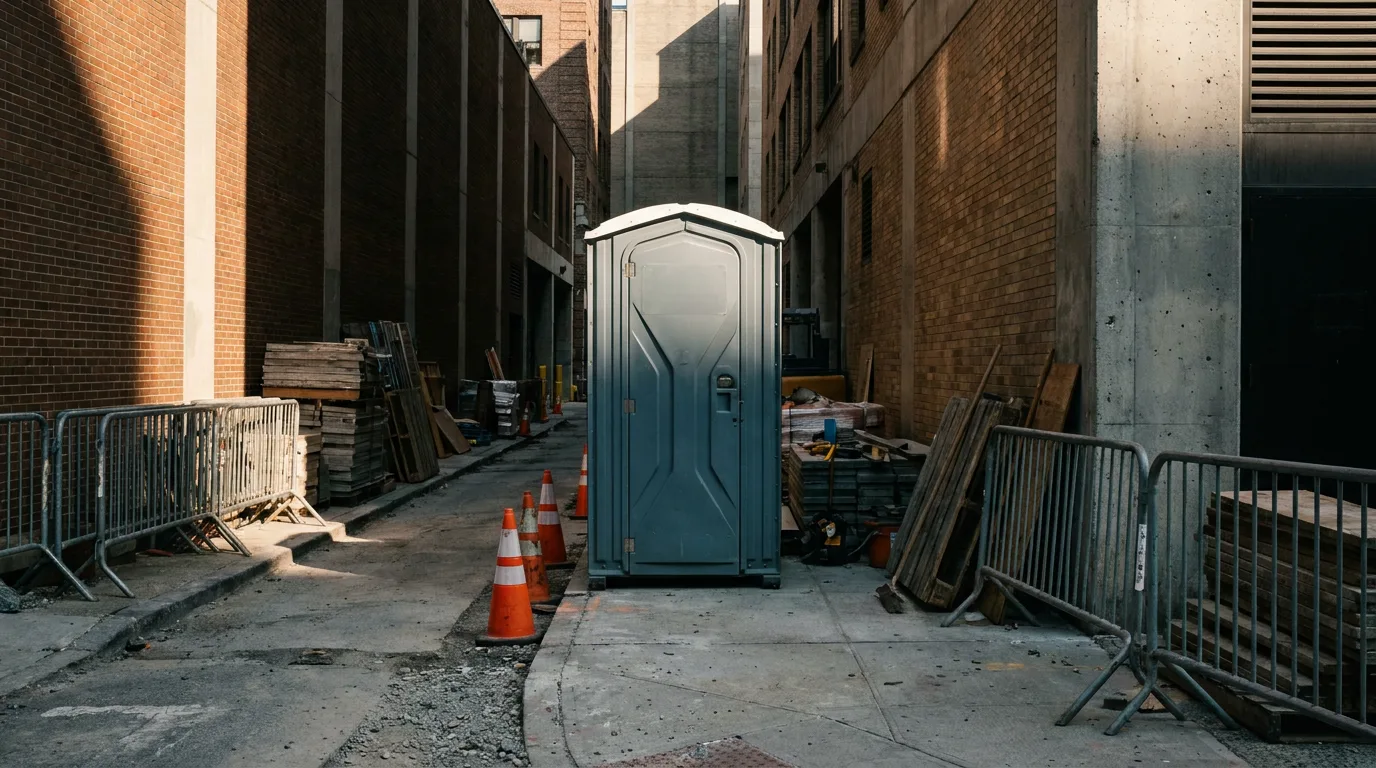
Depends on where it sits. A standard unit parked on private property, on a driveway or inside a fenced job site, typically moves without any city paperwork. That covers most home renovation jobs and backyard parties across Plano. Once you're asking Plano Porta Pros to set a unit at the curb, on a sidewalk, or anywhere in the public right of way, the answer changes fast. Right-of-way placement is exactly the gray zone we said isn't verified here, so confirm it with the city before you commit to a date. The same logic applies a few miles out. Allen sits 7.7 miles northeast of Plano and Murphy is 10.5 miles east, and both run their own separate permit desks, so a rule that applies in Plano won't automatically carry over if your job spans city lines. If you're planning a large event, our event restroom rental page walks through counts before you get to the permit question at all. Construction crews should also check our construction site services page, since jobsite toilets sit under a different rulebook than street placement does.
Porta Potty Rules and Regulations: What Actually Governs Placement?
Two different rulebooks touch a porta potty, and they don't overlap the way people assume. OSHA governs how many toilets a jobsite needs, not where you can park one on a street. Under OSHA 1926.51(c)(1), a construction site with 20 or fewer workers needs one toilet facility; that number climbs to one toilet and one urinal per 40 workers once you pass 20, and per 50 workers at 200 or more. That's a headcount rule, full stop, and it has nothing to say about curb clearance or sidewalk width. City rules are the ones that decide placement, setbacks, and whether the right of way is fair game, and those live with Plano's own code, not with a federal number. Confusing the two is the most common reason people assume they're covered when they're not. If your project is agricultural rather than a construction site, OSHA 1928.110 sets its own bar: one facility per 20 hand-labor employees, reachable within a quarter mile walk. None of that touches a street permit either. For ADA-compliant placement specifics, our ADA accessible porta potty page covers clearance separate from any permit question.
Porta Potty Placement Rules: What Does the Site Need?
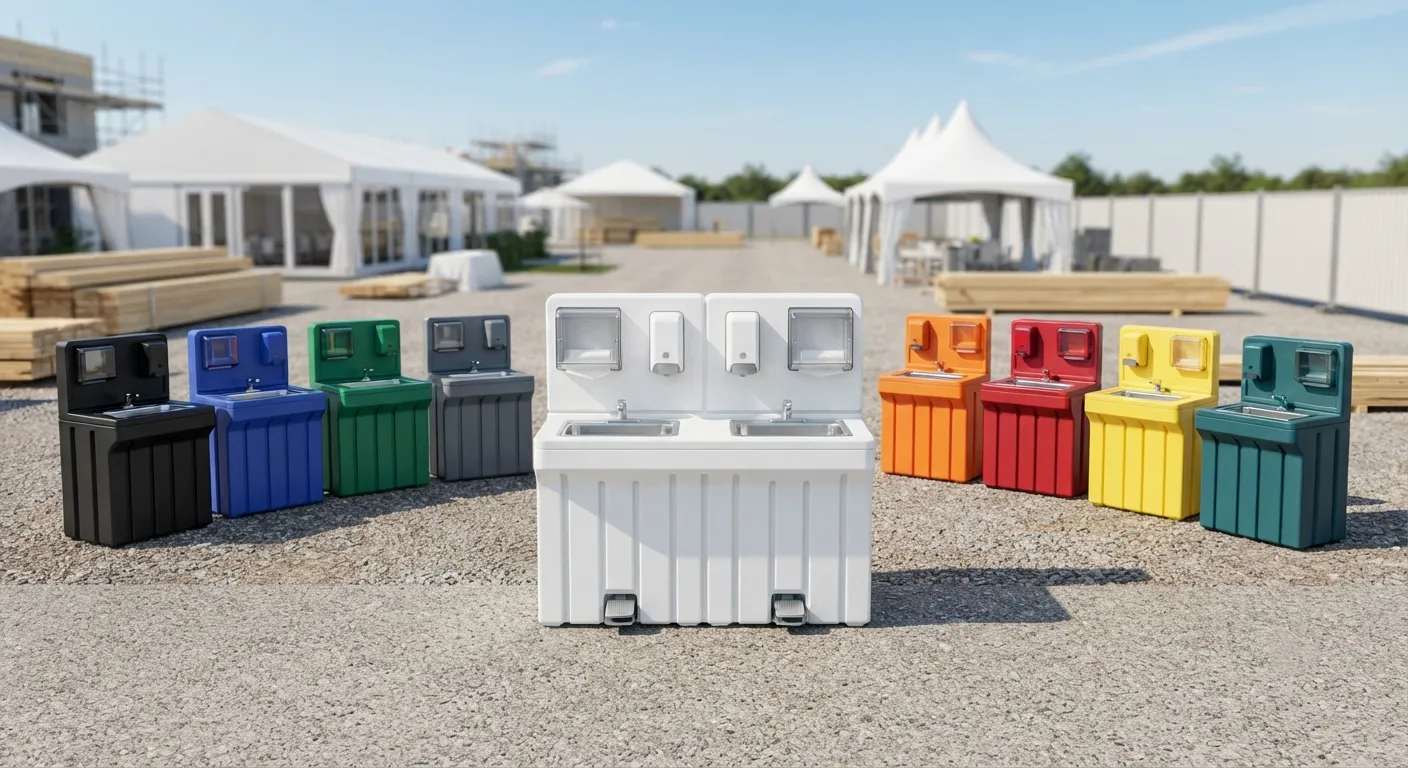
Placement rules are mostly physical before they're legal. A standard unit runs about 44 by 48 inches on the ground and stands roughly 92 inches tall, so it needs a flat, stable spot, not a slope or soft turf that'll tip it. ADA Standards section 302.1 calls for a stable, firm, slip-resistant surface, which is a good baseline even outside ADA-specific jobs. Where you're clustering multiple standard units for an event, ADA Standards section 213.2 requires at least 5 percent of the cluster to be accessible units, never fewer than one. Accessible units need a clear path too: ADA Standards section 403.5.1 sets a 36 inch minimum route width, and the door itself needs a 32 inch clear opening under ADA Standards section 404.2.3. None of that is city permitting, but inspectors and event coordinators check it anyway, and a unit set too close to a curb or drainage grate is the fastest way to get a placement flagged regardless of what permit you hold. Our porta potty placement guide covers driveway, yard and jobsite setbacks in more detail.
Do You Need a Permit for a Dumpster on the Street in Plano?
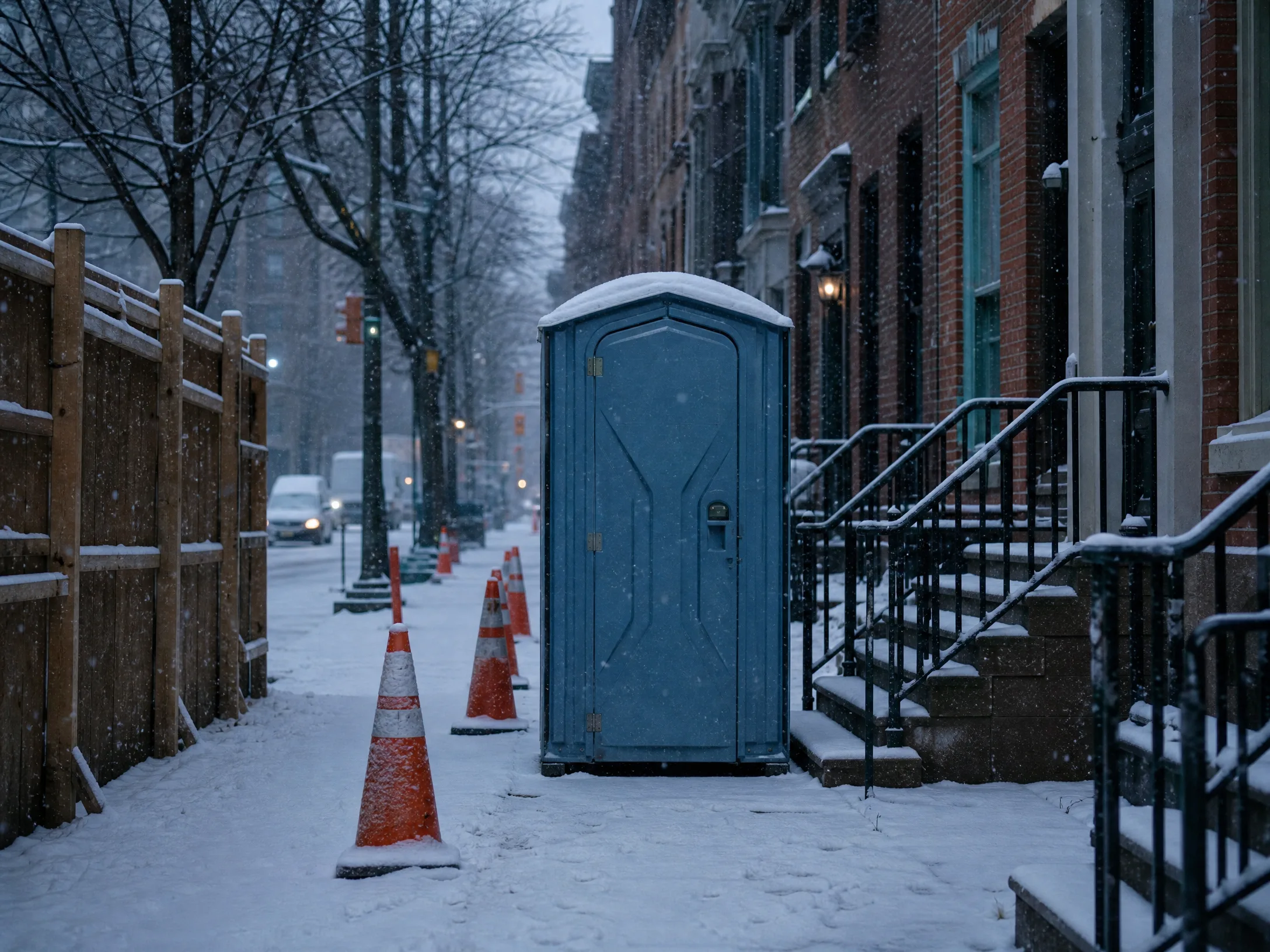
Yes, more often than for a toilet. Roll-off dumpsters sitting fully on private property, in a driveway or laydown yard, usually don't need city sign-off. The moment a dumpster sits in the street or blocks a public lane, most cities require a street obstruction permit, and Plano is no exception to that general pattern, though the exact fee and process needs a direct check with the city rather than a guess here. A dumpster delivery truck needs about 60 feet of straight clearance behind it to drop the container safely, which matters for anyone planning a tight street placement. Our dumpster permit requirements page covers that process city by city, and roll-off dumpster rental has size and weight specs if you're still choosing between a 10, 20, 30 or 40 yard box. For pricing across durations, see the table below and our dumpster rental cost page.
| unit | duration | typical price |
|---|---|---|
| standard porta potty | day | $150 |
| standard porta potty | week | $200 |
| standard porta potty | month | $200 |
| roll-off dumpster | day | $75 |
| roll-off dumpster | week | $600 |
| roll-off dumpster | month | $108 |
Do I need a permit to put a porta potty in my driveway?
No. A driveway placement is private property, and most Plano homeowners handle this without any city paperwork. Check with your HOA if you have one. See our home renovation porta potty page for typical residential setups and delivery timing.
Can I place a dumpster on the street in front of my house?
Usually not without a permit. Street placement blocks a public lane or parking, and cities generally require sign-off first. Confirm directly with Plano before delivery; our dumpster permit requirements page outlines the general process.
Does a temporary power pole need a permit?
Often yes, since it ties into electrical service and inspection requirements. This varies by jurisdiction and isn't something to guess at. Check with Plano's building department before your event or job start date; see temporary power pole for spec details.
How many porta potties does my construction site need?
Under OSHA 1926.51(c)(1), one toilet covers up to 20 workers, then one toilet and one urinal per 40 workers past that. Our how many porta potties do I need calculator walks through your headcount.
Is a permit different for an event versus a construction job?
Yes, often. Events tend to trigger temporary-use or right-of-way permits tied to a date range, while construction permits track the project length. Check both with the city; our event restroom rental page covers event-specific planning.
Next step
Get a delivery date
Tell us the address, the dates and the headcount. We size the order and confirm the route.